
Benefits of Replacing Glass Units Instead of Full Window Replacement
- simon howard

- Mar 30
- 4 min read
When your windows start showing signs of wear or damage, the first thought might be to replace the entire window. While full window replacement can be necessary in some cases, many homeowners and property managers overlook a simpler, cost-effective option: replacing just the glass units. This approach offers several advantages that can save money, reduce waste, and improve your home's comfort without the hassle of a full window swap.
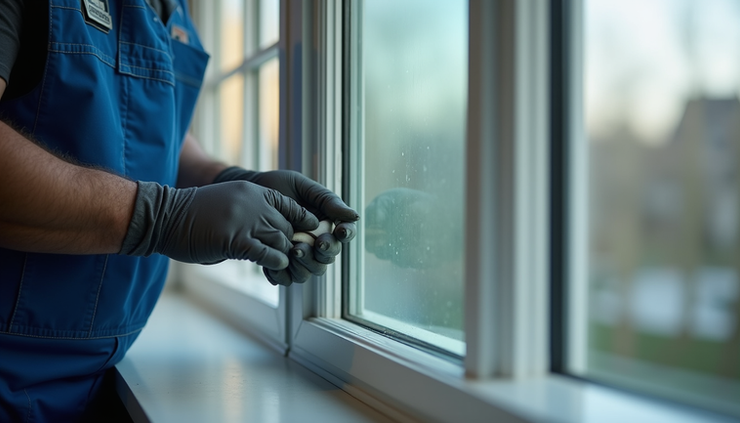
Cost Savings from Glass Unit Replacement
Replacing only the glass units in your windows is often much less expensive than a full window replacement. The frame, hardware, and seals remain intact, so you avoid the labor and material costs associated with removing and installing an entire window.
Lower material costs: Glass units are a fraction of the price of full window assemblies.
Reduced labor time: Technicians can replace glass units in a few hours compared to a full window replacement that can take a day or more.
Avoid additional repairs: If the window frame is still in good condition, replacing the glass avoids unnecessary work.
For example, a homeowner with double-glazed windows that have developed condensation or cracks can replace just the glass units for about 30-50% of the cost of new windows. This makes it an attractive option for budget-conscious renovations.
Environmental Benefits of Glass Unit Replacement
Choosing to replace only the glass units helps reduce waste and environmental impact. Full window replacements generate significant construction debris, including old frames, seals, and hardware that often end up in landfills.
Less waste: Only the damaged glass is discarded, preserving the window frame and other components.
Lower carbon footprint: Manufacturing new window frames requires energy and raw materials, which you avoid by keeping existing frames.
Supports sustainability goals: Homeowners aiming to reduce their environmental impact can choose glass unit replacement as a greener alternative.
By extending the life of your existing windows, you contribute to a more sustainable approach to home maintenance.
Improved Energy Efficiency Without Full Replacement
Many glass units today feature advanced technologies such as double or triple glazing, low-emissivity (Low-E) coatings, and gas fills like argon or krypton. Replacing old or damaged glass units with modern, energy-efficient ones can significantly improve your home's insulation and reduce heating and cooling costs.
Better insulation: New glass units reduce heat loss in winter and heat gain in summer.
Reduced condensation: Modern glass units help prevent moisture buildup on windows.
Lower energy bills: Improved window performance translates to savings on utility bills.
For instance, upgrading from single-pane glass to double-glazed Low-E glass units can reduce heat transfer by up to 50%, making your home more comfortable year-round without replacing the entire window.
Faster and Less Disruptive Installation
Replacing glass units is a quicker process than full window replacement, causing less disruption to your daily routine. The work can often be completed in a few hours, and there is no need to remove window trims or disturb interior walls.
Minimal mess: Glass replacement involves less dust and debris.
No structural changes: The window frame remains in place, so no adjustments to the surrounding wall are needed.
Less noise: The process is quieter than removing and installing full windows.
This makes glass unit replacement ideal for occupied homes, offices, or rental properties where minimizing downtime is important.
Maintaining the Original Window Style and Character
If your home has unique or historic windows, replacing the entire window can alter its appearance and character. Glass unit replacement allows you to preserve the original frame and style while improving performance.
Keep original frames: Retain custom or decorative window frames that may be costly or impossible to replicate.
Match existing aesthetics: Maintain the look of your home’s architecture.
Preserve property value: Original features often add to a home’s charm and resale appeal.
For example, heritage homes with wooden sash windows can benefit from glass unit replacement to improve insulation without compromising their classic look.
When Full Window Replacement Is Necessary
While glass unit replacement offers many benefits, it is not always the right choice. Some situations require full window replacement:
Damaged or rotting frames: If the window frame is warped, cracked, or deteriorated, replacing the glass alone won’t fix structural problems.
Outdated window design: Older windows may not accommodate modern glass units or meet current building codes.
Severe air or water leaks: Extensive leaks often indicate frame or seal failure that glass replacement cannot resolve.
In these cases, investing in full window replacement ensures long-term performance and safety.
How to Decide Between Glass Unit Replacement and Full Window Replacement
To choose the best option, consider these steps:
Inspect your windows: Look for frame damage, seal failure, condensation, cracks, or other issues.
Consult a professional: A window specialist can assess whether the frames are sound and recommend glass unit replacement or full replacement.
Compare costs and benefits: Evaluate the price difference, energy savings, and aesthetic impact.
Consider your goals: Decide if you want to preserve original window style or prioritize maximum energy efficiency.
By making an informed choice, you can improve your windows effectively without overspending.


Comments