
Understanding Window Installation Timeline Factors
- simon howard

- Apr 23
- 4 min read
When it comes to upgrading your home with new windows, one of the first questions that pops into your mind is probably: how long will this take? Window installation is a significant project, and knowing the timeline helps you plan your days better. It also eases any worries about disruptions to your daily routine. I’m here to walk you through everything you need to know about window installation timelines, especially if you live in the North West or North Wales.
Let’s explore the key factors that influence how long your window installation will take. I’ll also share practical tips and examples to help you feel confident and prepared.
What Influences Window Installation Timeline Factors?
Several things affect how quickly your windows can be installed. Understanding these factors will give you a clearer picture of what to expect.
1. Type of Window
Different window styles take different amounts of time to install. For example:
Casement windows usually take less time because they open outward and have fewer parts.
Bay or bow windows are more complex and can take longer due to their size and shape.
Double-hung windows might require more precise fitting, which can add to the time.
2. Number of Windows
The more windows you want to replace, the longer the job will take. Replacing a single window might only take a couple of hours, but a whole house full of windows could take several days.
3. Condition of Existing Frames
If your current window frames are in good shape, installation is quicker. But if the frames are damaged or rotted, extra work is needed to repair or replace them. This adds time to the project.
4. Weather Conditions
In the North West and North Wales, weather can be unpredictable. Rain or strong winds can delay outdoor work, so installers might need to pause until conditions improve.
5. Customisation and Special Features
Windows with special glass, tinting, or security features might take longer to install. Custom sizes or shapes also require more precise work.
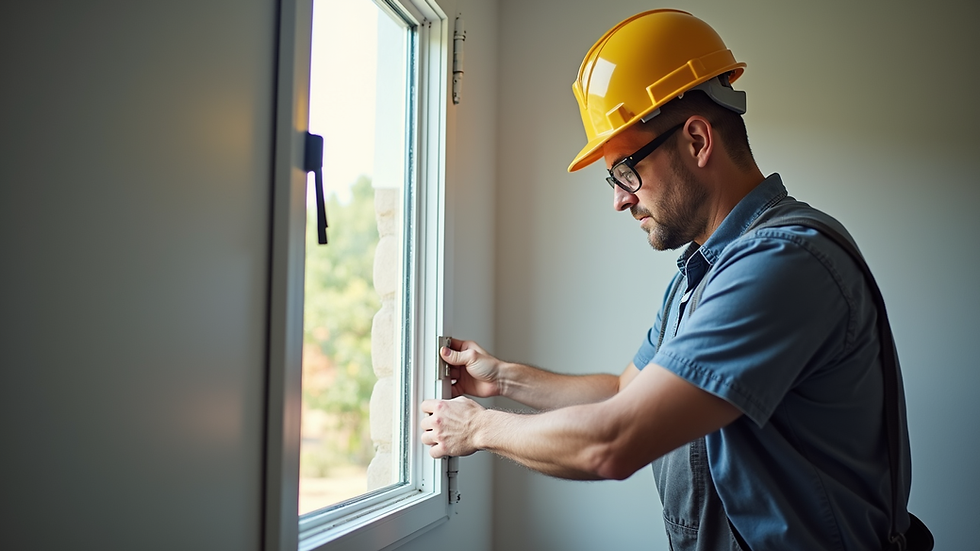
Window installation requires careful fitting to ensure energy efficiency and durability.
How Many Windows Can You Fit in a Day?
This is a common question, and the answer depends on several factors.
Professional installers can usually fit between 3 to 5 standard-sized windows in a day.
If the windows are larger or more complex, the number might drop to 1 or 2.
For smaller jobs, like a single window replacement, the work might be completed in just a few hours.
Keep in mind that preparation and cleanup also take time. Removing old windows carefully to avoid damage and disposing of them properly is part of the process.
If you’re planning a full house window replacement, installers often schedule the work over several days or even weeks, depending on the number of windows and the complexity of the job.
What Happens During Window Installation?
Knowing the steps involved can help you understand why installation takes the time it does.
Step 1: Removal of Old Windows
The installers carefully remove the old windows without damaging the surrounding walls or frames. This step can be quick if the old windows are in good condition but might take longer if there are issues like paint sealing or frame damage.
Step 2: Preparing the Opening
The window opening is cleaned and checked for any damage. If repairs are needed, this adds to the timeline.
Step 3: Installing the New Window
The new window is fitted into place, ensuring it is level and sealed properly. This step is crucial for energy efficiency and preventing drafts.
Step 4: Sealing and Insulation
Installers apply sealant and insulation around the window frame to keep your home warm and dry.
Step 5: Finishing Touches
Finally, any trim or interior finishing is completed, and the area is cleaned up.

Proper sealing and insulation are key to energy-efficient window installation.
How to Prepare for Your Window Installation Day
Preparation can make the installation process smoother and faster. Here are some tips:
Clear the area around your windows inside and outside. Remove furniture, curtains, and any obstacles.
Plan for noise and dust. Window installation can be noisy and messy, so prepare accordingly.
Arrange for pets and children to be in a safe place away from the work area.
Discuss the timeline with your installer so you know when to expect the work to start and finish.
What to Expect After Installation?
Once your windows are installed, you might notice some minor things:
Smell of sealant or paint – this usually fades within a day or two.
Slight drafts – if you feel any, contact your installer to check the seals.
Clean-up – professional installers will tidy up, but you might want to do a quick sweep yourself.
Remember, new windows improve your home’s energy efficiency and appearance. The short disruption is worth the long-term benefits.
If you’re wondering how long does window installation take, it really depends on the factors we’ve discussed. But with good planning and a trusted installer, the process can be smooth and stress-free.
Final Thoughts on Window Installation Timelines
Understanding the timeline for window installation helps you plan better and feel more at ease. Remember, the type of window, number of windows, condition of existing frames, weather, and custom features all play a role.
By preparing your home and communicating clearly with your installer, you can make the process quicker and more comfortable. New windows are a fantastic investment in your home’s comfort and value, and knowing what to expect makes the experience even better.
If you’re ready to start your window upgrade, keep these timeline factors in mind. It’s all about making your home warmer, more beautiful, and energy-efficient with as little hassle as possible.


Comments